

Easy
US$

Trip Difficulty
Highlights of Ganesh Himal Trek
- Discover the less explored wilder, tranquil part of Nepal with undiscovered trails and amazing natural beauty.
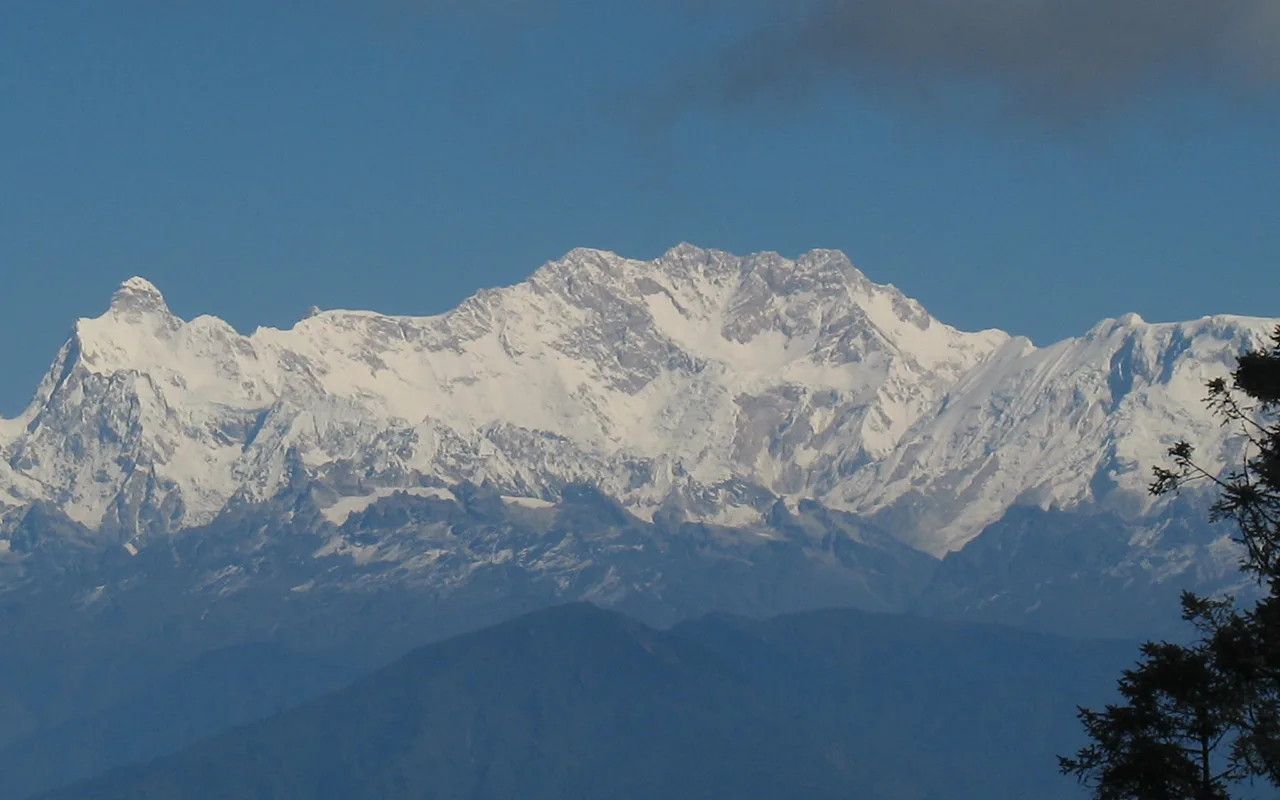
- Enjoy the varied terraced fields, thick dense forests and the tall Himalayas like Ganesh Himal, Manaslu, Annapurna, Himal Chuli, and Langtang Lirung.
- On the way, we spot wildlife like amazing Himalayan Tahr, red panda, and colorful birds such as Himalayan Monal, Blood Pheasant, etc.
- Experience the local culture and tradition of Tamang, Gurung, and Brahmin
- Enjoy the stunning lakes like Kalo Pokhari, Seto Pokhari, and Ganesh Kund with their historic legends.
- A wonderful and spectacular mountain view of the famous Ganesh Himal Base Camp.
- A trip through the beautiful Ruby Valley, with its rare ruby and scenic views.
- Experience camping in the raw and thrilling mountain amidst the Himalayas.
- Go camping through places that remain rooted in the birthplace of modern Nepal.
The Ganesh Himal Trek gives trekkers a glimpse of Nepal’s rich heritage, steeped in natural and cultural history. The Ganesh Himal range includes dramatic peaks such as Ganesh I (7,422m), Ganesh II (7,200m), Ganesh III and IV. It is located north of Kathmandu and towards Tibet, surrounded by steep valleys, glacial lakes, and dense rhododendron forests.
The name for the range comes from the elephant-like shape of its peaks, representing Lord Ganesh in Hindu mythology.
The first successful ascent of Ganesh I was in 1955, making history in Nepal’s mountaineering. The area is relatively less explored than the Annapurna or Everest regions. This remoteness makes the traditional lifestyles and lovely landscapes of the area to be preserved.
Ancient trails in Ganesh Himal were used to trade Yarsagumba, blankets, carpets, potatoes, etc. This trend still runs in the route showing the connection to its history.
The trek also displays the region’s deep spiritual meaning as the mountain is named after the Lord Ganesh because of its elephant-like shape. The mountains are respected as sacred by locals. Locals host festivals like Lhosar, Maghe Sankranti, Budhha Jayanti, and rituals to honor their deities, one being Lord Ganesh.
You’ll get to see monasteries like Mu Gompa, prayer flags, and culturally rich Tamang and Gurung villages along the trail. These communities allow us to have cultural immersion in their shared traditions, their music, and their cuisine.
Nepal’s natural beauty and cultural diversity will continue to be witnessed through trekkers of the Ganesh Himal Base Camp trek. Listening to the timeless rhythms of mountain life as they opened up new perspectives and a rich past, is really serene.
Itinerary of Ganesh Himal Trek
Day 01: Arrival in Kathmandu (1,400m)
Arriving in Kathmandu, our team representative will meet you first and take you to The Everest Hotel for check-in and relaxation. There will be a quick pre-trek briefing about the 15 days Ganesh Himal Trekking.
After the meeting, you have an opportunity to wander around the lively streets of Thamel. It allows you to ease your way into local life, and prepare for the adventure ahead. They provide a good introduction to Nepal as you can be walking down the city’s busy streets.
Highest Altitude
1400mDay 02: Drive from Kathmandu to Arughat (580m)
Starting our adventure, we head into a private vehicle for a scenic five hour drive to Arughat. We’ll wind our way through villages, and fields that are terraced up, across the green countryside.
You get a little bit of a glimpse of what to expect with a view of the hills and local life along the way. At Arughat, we will spend the night in a local lodge and get ready for the trek the next day.
Highest Altitude
580mDay 03: Trek to Manbu (1,230m)
Today, we start our trip. As we go on walking, the views of the Manaslu and Ganesh Himal Ranges will start appearing. You will pass through the forests of rhododendrons and the make your way to Budhi Gandaki River.
This region will introduce you to the countryside of Nepal for the first time. You’ll feel the quietness of the mountains near you by the time we reach Manbu. We will be chilling at the lodge here, after the tiring trek you went through.
Highest Altitude
1230mDay 04: Trek to Lamo Dhunga (2,190m)
We make our way through forests from Manbu to Lamo Dhunga, through Dunchet village. It’s peaceful forested paths and you often see wildlife like red pandas and snow leopards. At the time of reaching Lamo Dhunga, you will meet with amazing views of surrounding peaks like Langtang, Annapurna, Manaslu, and Ganesh Himal.
This is a great area for a nice quiet evening in nature and views to stop and appreciate the surroundings.
Highest Altitude
2190mDay 05: Trek to Nauban Kharka (2,745m)
Today’s trek is a bit more difficult but so is worth it. We will gradually walk through high mountain meadows and forests, finally reaching Nauban Kharka.
On the hike, you will see Machhapuchhre and Annapurna South, where you will get good opportunities for photography. After a tiring day of trekking, it’s the perfect place to rest your head once we arrive, in the peaceful surroundings.
Highest Altitude
2745mDay 06: Trek to Khading (2,560m)
Today, we go with a gentle ascent through Myangal Bhanjyang, through forests and past small settlements until we reach Khading. The upcoming pass, Magne Goth, and the stunning views of Ganesh and Paldor peaks make this section a lovely one.
Today’s trek is a peaceful walk and an amazing time in the environment. Gentle, lovely, and quiet, Khading is a great spot to spend the evening with a wonderful view.
Highest Altitude
2560mDay 07: Trek to Timila School and Tiri-Gaon (1,750m)
Today, we go through terraced fields and small villages, making our way to Timila School. It’s a nice walk to view rural life and see the how the lives of locals goes daily, which is lovely.
From Timila we’ll travel to Tiri Gaon, where you’ll be welcomed by a warm village. The walk is relaxed so you can get in to enjoy the surroundings and feel the peace of the serene area.
Highest Altitude
1750mDay 08: Trek to Chalisa (1,910m)
Today’s trek is a short one, but you won’t regret it. Passing between villages and terraced fields, we arrive at Tatopani, where you can soak in the natural hot springs.
The warm water will ease your muscles after walking all day, it’s a perfect place to relax. Then we’ll go to Chalisa for the night, a place in between the beautiful views and peaceful nature.
Highest Altitude
1910mDay 09: Trek to Marmelung Kharka (3,185m)
Our day begins with a visit to Phyangchet Monastery, a place that is peaceful and where you can breathe in the spiritual atmosphere.
We then continue trekking through forests, and streams, until we reach Marmelung Kharka. You get numerous mountain views such as Ganesh Himal and Himal Chuli dominating the skyline. This is a place where you can take pictures, as well as relax with the sight of beautiful mountains.
Highest Altitude
3185mDay 10: Trek to Pangsang Bhanjyang La (3,850m)
Of all the trekking, today will be the most rewarding with the best view if not, the most epic of the entire trip. From Pangsang Bhanjyang La, you’ll be surrounded by the Ganesh Himal, Annapurna Ranges, and Manaslu.
After the spectacular views from the pass, we start the descent to the lodge for the night.
Highest Altitude
3850mDay 11: Trek to Rupchet (3,040m)
On the way down from Pangsang Bhanjyang La, we will trek on ridges and ravines taking in the stunning mountain views.
The terrain is mostly downhill so it’s a calming trail day. Arriving Rupchet, a calm village where you’ll be able to unwind and enjoy the peaceful environment.
Highest Altitude
3040mDay 12: Trek to Saline (2,490m)
Today we walk through terraced fields with views across the mountains and the local farmland. In small villages, you can see how people survive and live in uncivilized areas. When we arrive in Saline you will be ready to relax after a peaceful scenic walk through the countryside.
Highest Altitude
2490mDay 13: Trek to Deurali (1,520m)
Today the trek to Deurali is an easy to go peak, through green forests and terraced fields. This trail will take you to a small quiet village where you can breathe the tranquility of the environment. You can take in the rural life of Nepal where it is peaceful and beautiful.
Highest Altitude
1520mDay 14: Trek to Trishuli Bazar (1,100m) and Drive to Kathmandu (1,400m)
On the last day, we make our way to Trisuli Bazar, a busy town where you can see a mixture of urban and rural culture. After arriving, we get to Kathmandu with a comfortable drive back.
Later on the way, we’ll have a break to reflect on the trek and come back to the city where you’ll have some free time for the afternoon.
Highest Altitude
1400mDay 15: Departure
Once we’ve helped you with your last minute arrangements, we’ll take you to the airport for your departure. Today is a goodbye, we hope for you to be there for the next time in Nepal.
Leaving Kathmandu, you get to remember the beautiful trip and, a deep connection with the mountains and culture.
Meals
BreakfastEssential Information of Ganesh Himal Trek
Ganesh Himal Trek Difficulty
The 15 days Ganesh Himal Trekking is a sweet spot between adventure and accessibility and is equally suitable for the seasoned trekker and beginners. The difficulty of the level of the trek is moderate to adventurous where you get to a challenge that can easily be overcome.
Unlike treks to higher altitudes, this adventure doesn’t expose you to the same health risks associated with altitude sickness. This gives you a chance to take in the natural beauty without worrying about getting regionally sick.
Starting amidst the warm low lying countryside, the trek moves up into green hills and higher altitudes. This gradual climb is a good way to get your body used to different environments and reduces strain and enhances the trek’s enjoyment.
The main challenge featured during the trail is Pangsang Bhanjyang La Pass. While you get a wide view of peaks surrounded by green landscapes, the steep ascent is difficult.
It is a demanding section but a steady pace make regularity are not an issue. After that, it’s a long descent that wears you down, but the scenery, when you get there, is breathtaking.
Any trekker with a well developed cardiovascular system and basic physical fitness can overcome this trek difficulty. Starting with trekkers of age 12 to age 65, the trek isn’t that difficult at all. But remember to take the guide’s advice during the challenging Pangsang Bhanjyang La Pass.
Pangsang Bhanjyang La Pass explained
During the 15 days Ganesh Himal Trekking, the Pangsang Bhanjyang La Pass is a beautiful spot. It sits at 3,850 meters, with astonishing views of the Ganesh Himal range. Traversing through bright rhododendron forests you will also see distant peaks such as Manaslu and Langtang.
Both terraced farmlands, rocky ridges, and quiet meadows can be seen on the trek Ganesh Himal. But along the way ancient Buddhist monasteries, stupas and prayer flags complement the spirit of the trip. Additionally, interacting with the Tamang and Gurung community is what lets you explore traditional cultures, as well as tasting local cuisines.
The ascents and descents that occur crossing Pangsang Bhanjyang La Pass are steep and the trail has a moderate to adventurous difficulty rating. But the rewards are stunning broad vistas, and of accomplishment. It is a remote trail that is less crowded, which means isolation and closer contact with nature.
The best time to visit Pangsang Bhanjyang La Pass is spring and autumn when the weather and skies are stable. During the spring and autumn, the rhododendrons begin to bloom and provide colorful scenery on the trails.
You need to have good preparation, let’s say experience in uphill climbing. Then for the cold, you should wear warm layered clothing and trekking gear for safety and comfort.
Traveling with a local guide makes the experience more rewarding by providing insights into culture, and keeping you safe. You should also prevent altitude sickness by gradually acclimatizing and having proper hydration. This trek is unique because of the serene environment, and engaging cultural encounters.
Pangsang Bhanjyang La Pass trek mixes the thrill, cultural insights, and surrounding beauty. For anyone looking for solitude, a challenge, and an accomplished Himalayan walk it is a hidden gem. This trek Ganesh Himal will guarantee that you will have memories and connections for life with Nepal’s heritage.
Permits required for Ganesh Himal Trek
For the Ganesh Himal Trek, you need three essential permits, this includes the Langtang National Park Permit, TIMS Card, and Restricted Area Permit (RAP). They can help keep you safe, help track where you’re going, and protect the environment.
To enter the protected areas of Langtang National Park you simply need The Langtang National Park Permit. It costs NPR 3,000 (USD $25) and helps to keep endangered wildlife like the red panda or snow leopard preserved in the area. The permit serves to ensure that tourism does not impact any of the environment negatively.
Furthermore, all trekkers require a TIMS (Trekkers’ Information Management System) Card, costing NPR 2,000 (approximately USD 15). This card monitors trekkers’ movements and acts to keep trekkers safe and protect the environment.
The last permit is RAP (Restricted Area Permit), costing USD 100 for the one-week duration, and after that, an additional USD 15 per day. We need this because you will be trekking around a restricted area of Langtang and Manaslu. This permit is there to prevent tourists from disturbing the local communities and ecosystems.
You can easily get all the permits from the Nepal Tourism Board office in Kathmandu. Thankfully, we can also book your Ganesh Himal Base Camp Trek with us if you would like, and we will take care of your permit requirements for you.
Best season for the Ganesh Himal Trek
The best periods for the Ganesh Himal Trek are spring (March to May) and autumn (September to November) because of the stable weather and clear views.
Spring (March to May)
Ganesh Himal is one of the best places to trek in spring. It is the best time to trek because the temperatures are mild and the weather stable. From blooming rhododendrons and other wildflowers, the highlands and hills will have their colors fully bright. The sunset’s graceful rays touch them during this time, enriching the surrounding scenery.
Temperatures are from 10°C to 15°C (50°F to 59°) during daytime, and cooler at night, around 0°C to 5°C. With its clear skies, the views of surrounding peaks like Manaslu and Langtang become amazing.
Monsoon (June to August)
Nepal’s monsoon season reduces safety during the summer. There will be high humidity, heavy rain, and heat. Trails become slippery and risky during monsoon rains. The leeches and mud in the lower altitudes make it an uncomfortable trek. Temperatures are 20°C to 25 °C (68°F to 77 °F) during the day and can fall to 10 °C (50°F) at night.
Though the greenery and waterfalls are amazing during Monsoon, the trekking conditions make it not recommended.
Autumn (September to November)
It is generally agreed by all that trekking during the autumn season is one of the best times to go for the Ganesh Himal Base Camp Trek. The weather won’t catch you off guard and the clear skies during this period will make it memorable.
Day temperatures are around 15°C to 20°C (59°F to 68°F), while nights are around 5°C to 10°C (41°F to 50°F). You also get the pleasure of the clean mountain vistas of Manaslu, Langtang, and cultural celebrations such as Dashain and Tihar.
Winter (December to February)
Winter is another challenging season for trekking. At higher altitudes, of course, temperatures are cold. Temperatures at day can vary from 5°C to 10°C (41°F to 50°F), but at night can fall down to -5°C to -10°C (14°F to 23°F).
Because snow can block trails, they make for a challenging walking experience, but at the same time, the clear skies and incredible sunsets can lend themselves to a surprising adventure. It’s not the best time for trekking Ganesh Himal, with the cold and the risk of snow buildup.
What to Pack for the Ganesh Himal Trek
As with any trek, there are many necessary and comfortable items to pack for the Ganesh Himal Base Camp Trek. The pace just isn’t enough for a typical trek that traverses varying terrains and altitudes. Make sure to have trekking gear that is adaptable to any circumstances.
Begin with good waterproof sturdy comfortable trekking boots for long walks. It would be helpful if you have ankle supports in steep and rough terrains. Also, make sure and pack thermal socks, the good thick woolen ones will help keep your feet warm in the cold.
It is important to clothe in layers, just pack moisture wicking shirts and pants near your base layers so that no sweat is on your skin. Because you can often find yourself at higher altitudes, warm layers, such as fleece or down jackets, are important. As the weather can be very unpredictable one should always carry waterproof jackets and pants.
With the unreliable and sometimes unhygienic teahouse bedrooms, staying warm at night becomes possible only with a sleeping bag. A sleeping bag rated for -10°C is enough to keep you cozy in the cold.
On uneven and steep terrain your trekking poles will provide support for your balance, and your reduce strain on knees. A headlamp/flashlight with extra batteries will be important for early starts or late arrivals in the dark.
Bring a water bottle or hydration pack, so you stay hydrated during the trek to improve your performance. It is important to protect yourself from the sun with immense and dangerous UV rays with sunscreen and lip balm.
A first aid kit is a must. Having a first aid kit that has important medications like Diamox for altitude sickness, paracetamol, and ibuprofen for pain relievers. Additionally, have some bandages and adhering tapes for minor injuries.
When on the trek Ganesh Himal, if you want to overcome tiredness, make sure to pack a few energy bars, trail mix, and nuts for quick energy.
Do have cash to spend on any local purchases along the way as payments via online and card are almost rare.
Finally, don’t forget cameras and phones to take in the stunning views and power banks to charge them as electricity is scarce.
Accommodation and Meals along the Ganesh Himal Trek
Along the 15 days Ganesh Himal Trekking, the accommodations are basic tea houses and lodges for the simple and comfortable trekking.
Starting the trek, in Kathmandu Guest House, you will get acquainted with a restful environment before fatigue sets in at Arughat Lodge.
Before you start your physical trek, you will find the lodges in Village Manbu and Lamo Dhunga with basic rooms with bedding and a common shared bathroom. While there are Wi-Fi facilities in the teahouses, the tea houses can charge extra fees.
Continuing the trek, places like Nauban Kharka Lodge and Khading Lodge provide you with a cozy environment to relax after a day’s travel. The availability of hot showers is there too, but it comes with extra costs.
Tea houses have perfect communal dining and interaction with other trekkers makes it even more enriching. You get opportunities to share your stories and experiences while enjoying the cozy comfort.
Although the trek is simple but satisfying, meals along the trek are quite traditional in Nepali and Tibetan dishes.
Along the way, you’ll get hearty meals such as dal bhat (rice and lentils), momo (dumplings), and thukpa (noodle soup) and some Western options like sandwiches or fried rice.
Most lodges will serve simple breakfasts like porridge, toast, and eggs, and lunch will often be snacks like rice, vegetables, or sandwiches packed.
You will get flavorful local food for dinner from dal bhat or with vegetables or meat to get you energy through the next day’s trek.
Frequently Asked Question (FAQ’s)
No, ATMs along the Ganesh Himal Trek are almost rare and unreliable. You should carry cash in Nepali rupees in Kathmandu.
Trekking insurance is indeed strongly recommended as the price without insurance is very expensive. Trip cancellations, medical emergencies, evacuation,, and damaged luggage must be covered. Also, remember to add high altitude coverage and emergency evacuation in remote areas to your policy.
A team led by A.W.C.M. Richardson was the first to conquer Ganesh Himal in 1950.
Avoid buying bottled water and snacks at the high altitude of Ganesh Himal Trek. Try going on group tours to divide the price among the trekkers. You can prefer simple accommodations rather than luxurious ones.
Ethnic groups such as Tamang and Gurung live along the Ganesh Himal Trek. Local festivals like Dashain, Tihar, and Lhosar can be experienced. They have their traditional rituals, music, and food.
On the Ganesh Himal Trek, in winter, the temperatures can go as cold as -20°C whereas in summer, the temperature can go high, around 30°C.
Trip Reviews on Ganesh Himal Trek
